
Treadmill workouts are a powerful tool for weight loss, offering versatility, accessibility, and measurable results for beginners and seasoned fitness enthusiasts alike. By combining cardiovascular exercise with targeted routines, treadmills help burn calories, improve endurance, and boost metabolism, all key to shedding excess weight.
Quick Answer :
If your goal is fat loss, the treadmill can be one of the simplest ways to build consistent cardiovascular activity into your routine. From incline walking to interval training, different treadmill workouts can help increase calorie expenditure and improve fitness. Along with a balanced diet and adequate hydration, choosing a suitable fat loss drink can complement your overall fitness routine. In this guide, we’ll cover 7 proven treadmill routines to help you work toward your weight-loss goals
Why Treadmill Workouts Are Effective for Weight Loss
Treadmill workouts promote weight loss by creating a calorie deficit, where you burn more calories than you consume. Key mechanisms include:
- Calorie Burn: Moderate-to-high intensity treadmill sessions burn 200-600 kcal per 30 minutes, depending on speed and incline.
- Metabolic Boost: Cardio increases your metabolic rate, enhancing fat burning even after exercise.
- Muscle Preservation: Combining treadmill workouts with protein intake helps maintain muscle mass, ensuring weight loss comes from fat, not lean tissue.
- Customizable Intensity: Treadmills allow adjustments in speed, incline, and duration to match fitness levels and goals.
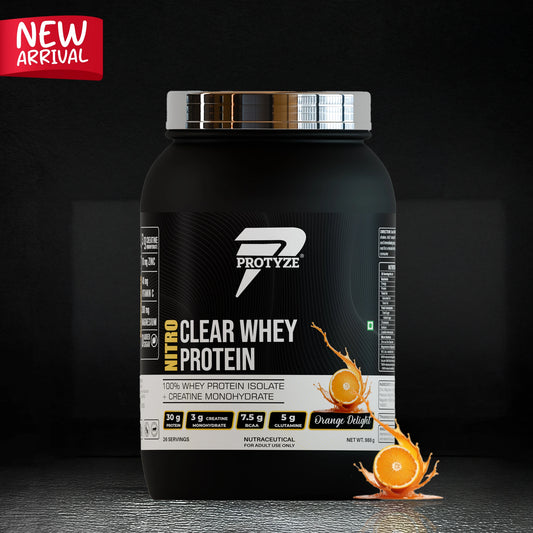
Pairing these workouts with a balanced diet and supplements like Protyze Diet Clear Whey optimizes recovery and supports fat loss, making treadmill routines a sustainable weight loss strategy.
7 Best Treadmill Routines for Weight Loss
Mention below are some of the best treadmill routine that you can follow for your weight loss:
1. Steady-State Cardio Walk
This beginner-friendly routine involves walking at a consistent pace to build endurance and burn calories without overwhelming the body. Steady-state cardio elevates your heart rate into the fat-burning zone (60-70% of max heart rate), promoting sustained calorie burn while being gentle on joints.
Benefits
- Burns ~200-300 kcal in 30 minutes, improves cardiovascular health, and builds stamina.
How to Do
- Warm-up: 5 min at 3-3.5 km/h, 0% incline.
- Main Set: 25 min at 5-6 km/h, 1-2% incline (brisk walk pace).
- Cool-down: 5 min at 3 km/h, 0% incline.
Frequency
- 4-5x weekly.
Best For
- Beginners or those with joint concerns aiming for consistent fat loss.
2. Interval Sprints
Interval sprints alternate high-intensity running with recovery periods, maximizing calorie burn and boosting metabolism through the afterburn effect (excess post-exercise oxygen consumption). This routine is time-efficient, ideal for busy schedules, and enhances fat loss by spiking heart rate.
Benefits
- Burns ~300-400 kcal in 20-25 minutes, increases metabolic rate, and improves speed.
How to Do
- Warm-up: 5 min jog at 6-7 km/h, 0% incline.
- Main Set: 8 rounds of 30 sec sprint at 12-14 km/h, 1% incline, followed by 60 sec walk at 4 km/h.
- Cool-down: 5 min walk at 3-3.5 km/h, 0% incline.
Frequency
- 2-3x weekly, with rest or lighter workouts between sessions.
Best For
- Intermediate runners seeking rapid fat loss and cardiovascular gains.
3. Hill Climb Intervals
Hill climb intervals use incline variations to mimic uphill walking or running, engaging more muscle groups (glutes, hamstrings) and increasing calorie burn. This routine builds strength and endurance while torching fat, offering a low-impact alternative to sprints.
Benefits
- Burns ~250-350 kcal in 30 minutes, strengthens lower body, and enhances fat burning.
How to Do
- Warm-up: 5 min walk at 4-5 km/h, 0% incline.
- Main Set: 6 rounds of 3 min at 5-6 km/h, 6-8% incline, followed by 2 min at 4 km/h, 0% incline.
- Cool-down: 5 min walk at 3 km/h, 0% incline.
Frequency
- 3x weekly.
Best For
- Those looking to tone legs and burn fat without high-impact running.
4. Progressive Speed Run
This routine gradually increases speed to challenge endurance and burn calories, keeping the workout engaging and adaptable. It pushes your cardiovascular system while maintaining a moderate intensity, ideal for steady fat loss and improving running capacity.
Benefits
- Burns ~300-400 kcal in 30-35 minutes, boosts stamina, and supports gradual fitness gains.
How to Do
- Warm-up: 5 min jog at 6-7 km/h, 0% incline.
- Main Set: Increase speed every 5 min (7 km/h, 8 km/h, 9 km/h, 10 km/h), 1% incline, for 20 min total.
- Cool-down: 5 min walk at 3-4 km/h, 0% incline.
Frequency
- 3-4x weekly.
Best For
- Intermediate exercisers aiming for consistent calorie burn and endurance.
5. Fat-Burn Combo (Walk-Run-Incline)
This hybrid routine combines walking, running, and incline work to target different energy systems, maximizing fat burn and muscle engagement. It keeps the body guessing, preventing plateaus and enhancing overall fitness.
Benefits
- Burns ~350-450 kcal in 35 minutes, improves versatility, and prevents workout monotony.
How to Do
- Warm-up: 5 min walk at 4-5 km/h, 0% incline.
- Main Set: 4 rounds of 3 min walk at 5 km/h, 4% incline; 2 min run at 9-10 km/h, 1% incline; 1 min walk at 4 km/h, 0% incline.
- Cool-down: 5 min walk at 3 km/h, 0% incline.
Frequency
- 3x weekly.
Best For
- Those seeking variety and comprehensive fat loss.
6. Long Slow Distance (LSD) Run
Long slow distance running involves a sustained, moderate-paced run to build aerobic capacity and burn fat over an extended period. This routine prioritizes time on the treadmill, ideal for boosting endurance and achieving a high total calorie burn.
Benefits
- Burns ~400-600 kcal in 45-60 minutes, enhances aerobic fitness, and promotes fat utilization.
How to Do
- Warm-up: 5 min walk at 4-5 km/h, 0% incline.
- Main Set: 40-50 min jog at 7-8 km/h, 1% incline (conversational pace).
- Cool-down: 5 min walk at 3 km/h, 0% incline.
Frequency
- 1-2x weekly, paired with shorter routines.
Best For
- Advanced exercisers or those with time for longer sessions.
7. Tabata-Inspired Intervals
Tabata intervals involve ultra-short, high-intensity bursts followed by brief rests, delivering a potent calorie burn in minimal time. This routine spikes heart rate and metabolism, making it highly effective for fat loss and time-crunched schedules.
Benefits
- Burns ~250-350 kcal in 20 minutes, maximizes afterburn, and improves anaerobic fitness.
How to Do
- Warm-up: 5 min jog at 6-7 km/h, 0% incline.
- Main Set: 8 rounds of 20 sec sprint at 13-15 km/h, 2% incline, followed by 10 sec walk at 3 km/h.
- Cool-down: 5 min walk at 3-3.5 km/h, 0% incline.
Frequency
- 2x weekly, with ample recovery days.
Best For
- Advanced users or those needing quick, intense workouts.
Integrating Treadmill Routines with Nutrition
To support weight loss and recovery from treadmill workouts, pair exercise with a balanced diet:
- Calorie Deficit: Aim for a 300-500 kcal daily deficit (e.g., 1,500-1,800 kcal for a 70kg person) to lose ~0.5-1 kg weekly, combining treadmill calorie burn and reduced intake.
- Protein Needs: Consume 1.6-2.0g/kg body weight (110-140g for 70kg) to preserve muscle and aid recovery. Protyze Diet Clear Whey (15g protein, 99% lactose-free, Juicy Mango flavor) with water is a low-calorie (~60 kcal), probiotic-enhanced post-workout option.
- Carbohydrates: Include 2-4g/kg carbs (140-280g for 70kg) from oats, rice, or fruit to fuel workouts and replenish glycogen.
- Gut Health: Probiotics support digestion, which can be stressed by intense exercise. Protyze Diet Clear Whey’s probiotic formula promotes gut balance.
- Hydration: Drink 2.5-3L water daily to support metabolism, hydration, and recovery.
- Example Use: Post-treadmill, mix Protyze Diet Clear Whey with 200-300ml water for a low-calorie, gut-friendly shake, paired with a banana to restore glycogen and support weight loss.
Practical Considerations for Treadmill Routines
To maximize these routines:
- Progress Gradually: Start with beginner routines (e.g., Steady-State Cardio Walk) and progress to advanced ones (e.g., Tabata Intervals) as fitness improves.
- Form and Safety: Maintain proper posture, use supportive shoes, and adjust speed/incline carefully to avoid injury.
- Recovery: Allow 1-2 rest days weekly and prioritize 7-9 hours sleep to support fat loss and muscle repair.
- Tracking: Monitor heart rate (target 60-85% max, ~120-170 bpm for most adults) and calorie burn using treadmill displays or fitness trackers.
- Variation: Rotate routines weekly to prevent plateaus and keep workouts engaging.
FAQs
How long should a beginner's treadmill workout be for fat burning?
Beginners can start with 20–30 minutes per session, including a warm-up and cool-down. Gradually increase the duration as fitness and endurance improve.
What incline and speed combinations maximize calorie expenditure on a treadmill?
A moderate incline with a brisk walking speed can increase effort and calorie expenditure. Start comfortably and gradually increase either speed or incline rather than using a very high setting immediately.
How does HIIT on a treadmill help with weight reduction?
HIIT alternates short periods of higher-intensity exercise with recovery periods. It can increase workout intensity and calorie expenditure while improving cardiovascular fitness.
Are there specific warm-up and cool-down protocols for treadmill weight loss sessions?
Yes. Start with 5–10 minutes of easy walking to warm up. After the workout, gradually reduce your speed for another 5–10 minutes to help your body transition back to a resting state.
Conclusion
Treadmill workouts can be an effective part of a weight-loss routine when combined with a balanced diet, adequate protein, good sleep, and consistent activity. Whether you prefer incline walking, steady-state cardio, or interval training, the key is choosing a routine you can follow regularly. A suitable fat loss drink can complement your overall nutrition and hydration, but no single drink or workout can replace a consistent calorie-controlled diet and active lifestyle.